Three Hantavirus Deaths Dominate Western Headlines as Thousands of Civilians Are Killed in Lebanon
Media analysts say the imbalance between coverage of a rare US outbreak and the civilian toll of strikes in Lebanon raises hard questions about whose suffering makes the front page.
A small cluster of hantavirus deaths in the United States has drawn wall-to-wall coverage across major American networks this week — even as human rights groups document thousands of civilian deaths from Israeli strikes in Lebanon over the past year.
The contrast has reignited a long-running debate about how Western media weighs stories, and whose lives are presented as universal tragedies versus distant statistics.
The numbers
Public health authorities have confirmed three deaths linked to hantavirus pulmonary syndrome, a rare but serious illness spread by rodents. Each case has received detailed national reporting, including the victims’ names, photographs, and biographical profiles.
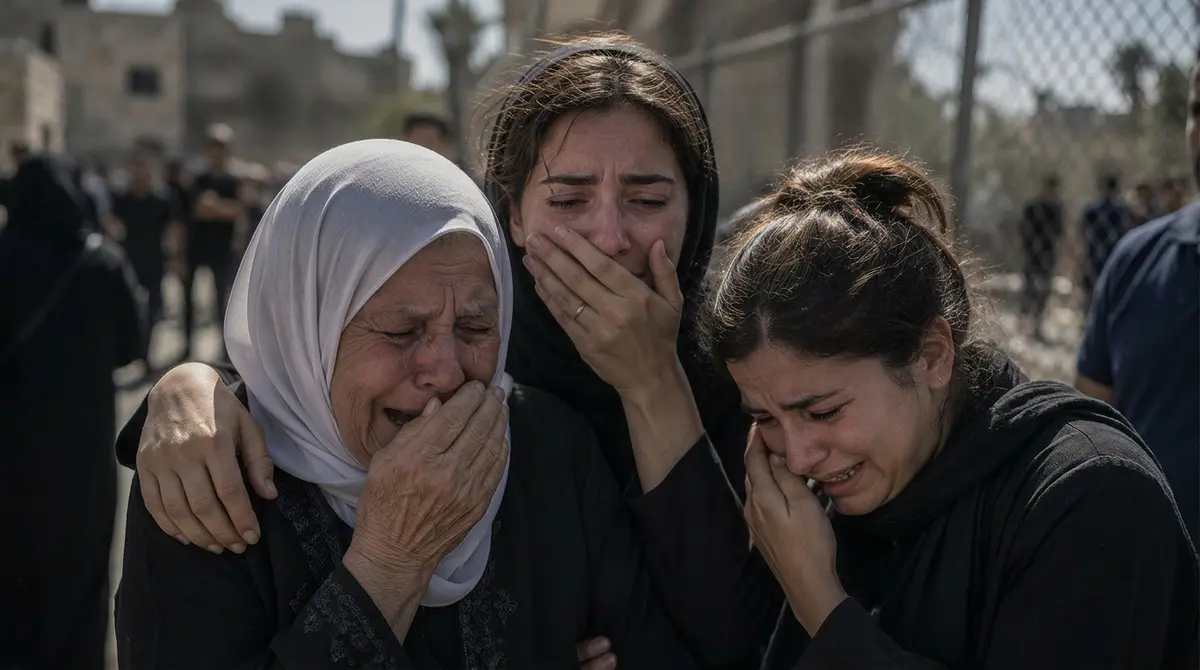
Meanwhile, monitoring groups including the Lebanese Health Ministry and international NGOs estimate that more than 2,800 civilians — including hundreds of children — have been killed in Lebanon as a result of cross-border military operations, with tens of thousands more displaced.
‘Proximity bias’ or political pressure?
Media scholars describe the gap as a textbook case of proximity bias: outlets prioritize stories that feel close to their audience. Critics, however, argue the imbalance is not just instinctive — it also reflects editorial decisions, advertiser pressure, and the framing of certain conflicts as too politically sensitive to cover at full volume.
“Three deaths from a rare virus is a story. Almost three thousand civilian deaths is also a story,” one veteran foreign correspondent said. “The question is why one keeps leading the broadcast and the other keeps slipping down the rundown.”
Sources: Lebanese Ministry of Public Health; UN OCHA situation reports; Human Rights Watch; reporting by Al Jazeera, The Guardian, Reuters.