Europe Is Considering A 'European NATO' That Would Operate Without The United States
As trust in Washington frays, European capitals are quietly drafting plans for an alliance that could defend the continent without American forces — a generational shift in transatlantic security.
A conversation that used to be unthinkable
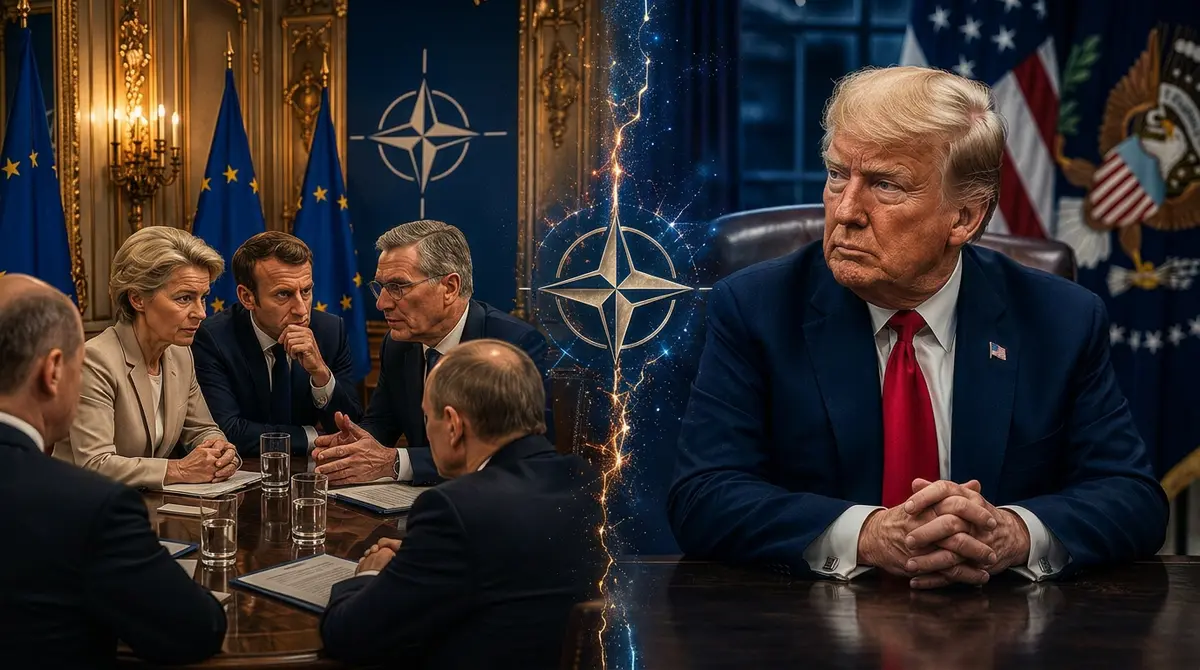
For the first time since 1949, senior European officials are openly debating whether the continent needs a defensive alliance that could operate without the United States. Diplomats in Berlin, Paris, Warsaw, and London describe the planning as "insurance," not divorce — but the insurance policy is being written.
What is actually being proposed
The idea, sometimes informally called "European NATO" or a "European pillar," would build on existing structures — the EU's Permanent Structured Cooperation (PESCO), the European Defence Fund, and the Franco-British nuclear cooperation under the Lancaster House treaties — and add:
- A joint European command structure independent of SHAPE.
- A common air-defense and long-range strike capability.
- A standing rapid-reaction corps of 100,000 troops.
- A shared procurement budget targeting €100 billion over five years.
France and Poland are the leading drivers, with the UK quietly supportive despite Brexit. Germany, traditionally cautious, has shifted under Chancellor Friedrich Merz, who has called European strategic autonomy "no longer optional."
What is driving the urgency
Three pressures, layered on top of each other:
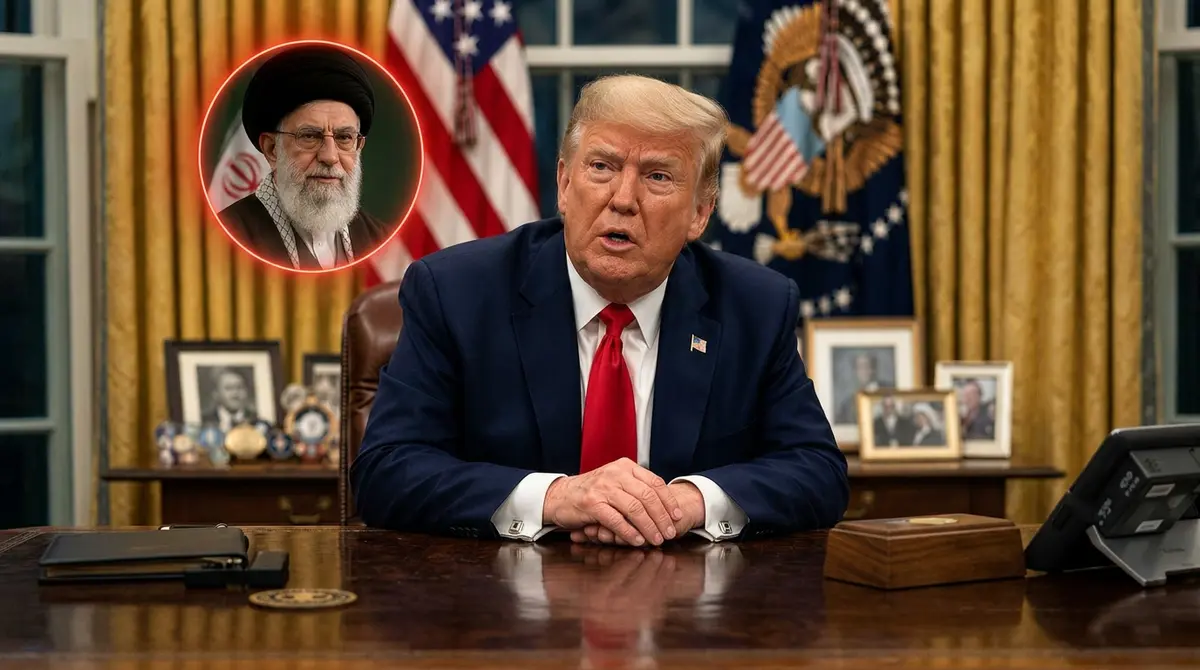
- The Trump factor. The President's suggestion that the U.S. would not necessarily defend NATO allies that fail to spend 5 percent of GDP on defense has been taken with deadly seriousness in European capitals.
- Ukraine. A peace deal seen in Europe as too favorable to Moscow has accelerated planning for a future where U.S. backstops cannot be assumed.
- The China pivot. Pentagon planning documents increasingly treat Europe as a secondary theater, with U.S. force structure tilting toward the Indo-Pacific.
The hard problems
The nuclear question is the hardest. Only France and the UK have nuclear weapons; both arsenals are independently controlled and far smaller than the U.S. stockpile. Extending French deterrence to all of Europe — an idea President Emmanuel Macron has floated repeatedly — remains politically explosive in Berlin and Warsaw. Intelligence-sharing is the second hardest: much of Europe's SIGINT depends on the Five Eyes architecture.
Washington's reaction
The Trump administration has publicly welcomed higher European defense spending while privately warning allies against duplicating NATO structures. Republican defense hawks worry a parallel command could weaken U.S. influence; the anti-interventionist wing sees it as a feature, not a bug.
What to watch
The next EU Council summit and the 2026 NATO summit in Helsinki will be the inflection points. If the European pillar moves from white paper to standing structure, the post-1945 transatlantic order will have quietly turned a corner.
Sources
- European Council on Foreign Relations — strategic autonomy briefing
- IISS Military Balance 2025
- The Financial Times — Merz strategic autonomy speech
- NATO — defense spending data 2025