Senate Democrats Introduce Bill To Ban Trump From Self-Pardoning For Corruption
A new Senate bill seeks to bar any president from pardoning themselves for federal crimes — a direct shot at Donald Trump as legal questions over self-pardons remain unresolved.
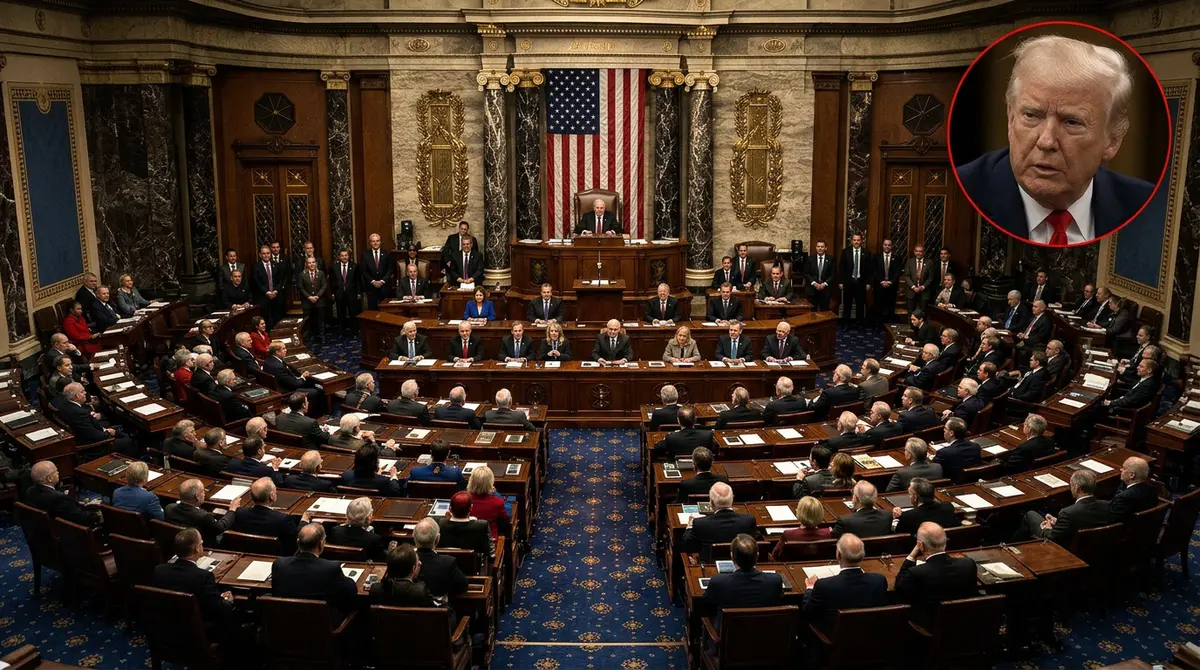
The bill on the floor
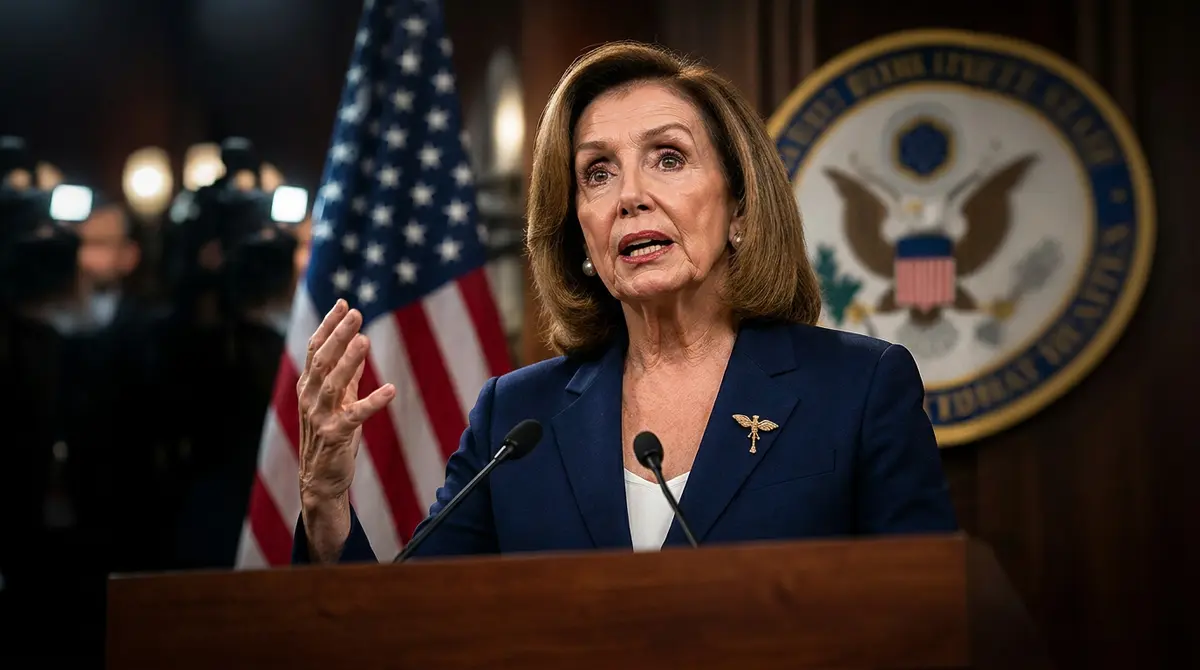
Senate Democrats, led by Sen. Sheldon Whitehouse (D-R.I.) and Sen. Richard Blumenthal (D-Conn.), introduced legislation this week that would explicitly bar any sitting president from pardoning themselves for federal offenses. The bill — titled the No President Is Above the Law Act — is unmistakably aimed at Donald Trump.
What the Constitution actually says
Article II, Section 2 grants the president "power to grant reprieves and pardons for offenses against the United States, except in cases of impeachment." It does not address whether the president can pardon himself. The question has never been tested in court. The Department of Justice's Office of Legal Counsel concluded in a 1974 memo — drafted four days before Richard Nixon resigned — that "no one may be a judge in his own case," and therefore a president cannot self-pardon. That memo is non-binding.
Will the bill pass?
Almost certainly not. Republicans control both chambers and have shown no appetite for legislation that constrains Trump. Even if it passed, the constitutional question would remain: Congress likely cannot narrow the pardon power by statute. The Supreme Court would have the final word, and the current 6-3 conservative majority is widely expected to favor a broad reading of executive power.
Why introduce it anyway
Three strategic reasons, according to Senate Democratic aides:
- Record-building for a future court challenge if a self-pardon is ever attempted.
- Messaging ahead of the 2026 midterms, especially in suburban districts where "no one is above the law" tested well in 2024 down-ballot races.
- Pressure on moderate Republicans like Sens. Lisa Murkowski and Susan Collins to take a recorded position.
The legal stakes
Trump faced four separate criminal cases before reclaiming the presidency. Two federal cases (the documents case in Florida and the election-interference case in DC) were dismissed by Special Counsel Jack Smith after the 2024 election under DOJ policy that a sitting president cannot be prosecuted. The state cases in Georgia and New York are paused but not dismissed. A self-pardon would only reach the federal cases — state charges are immune to presidential clemency.
Sources
- Office of Legal Counsel — 1974 self-pardon memo
- Congressional Research Service — Presidential Pardon Power overview
- Senate.gov — text of the No President Is Above the Law Act
- Brookings Institution — analysis of presidential self-pardons